電話占いで復縁が当たる先生おすすめ口コミ人気ランキング
- 1. 電話占いで復縁が当たる先生おすすめ人気ランキング
- 1.1. エキサイト電話占いの灯(あかり)先生
- 1.2. 電話占いピュアリの咲耶ローズマリー先生
- 1.3. 電話占いカリスの叉紗(さしゃ)先生
- 1.4. 電話占いリノアの花coco先生
- 1.5. 電話占いウィルの天河りんご(あまかわりんご)先生
- 1.6. 電話占いヴェルニの乃々空(ののあ)先生
- 1.7. 電話占い絆のこころ先生
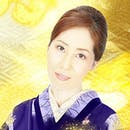
- 1.8. みんなの電話占いの倭女(やまと)先生
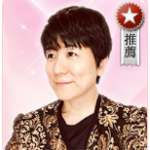
- 1.9. 電話占いウラナの三波ママ(みなみまま)先生
- 1.10. 電話占いシエロの美裸乃(みらの)先生
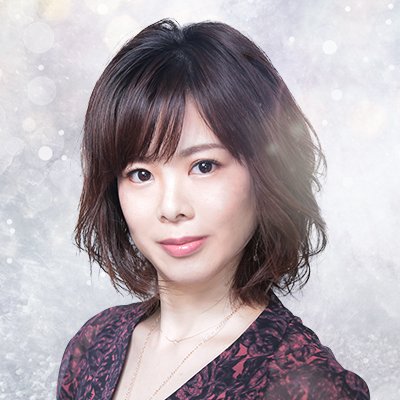
- 1.11. SATORI電話占いの天女(あまね)の先生
- 1.12. 電話占いココナラのひろすえ先生
- 1.13. 電話占いマヒナの月湖(つきこ)先生
- 1.14. 電話占いクォーレの鮎河リリサ(あゆかわりりさ)先生
- 1.15. LINEトーク占いの一色愛先生
- 1.16. 電話占いウラナの藍(あい)先生
- 2. 【占い師をもっと検索】電話占いで復縁が当たる占い師一覧
- 3. 電話占いが復縁にピッタリな理由とは?
- 4. 電話占いおすすめ占い師
- 4.1. ★復縁の複雑すぎる悩みで誰に相談したらいいかわからないなら、【エキサイト電話占いの灯先生】
- 4.2. ★復縁結婚できるか2人の未来を知りたいなら、【ピュアリのキアナ(きあな)先生】
- 4.3. ★復縁できるか知りたい&きっかけが知りたいなら、【電話占いウィルの天河りんご先生】
- 4.4. ★不倫で奥バレして別れたが復縁して結ばれたいなら、【電話占い絆のこころ先生】
- 4.5. ★復縁を断ち切ったり縁切りして新しい人を見つけるべきか悩んだら、【電話占いカリスの魂姫(たまひ)先生】
- 4.6. ★結婚への迷い、複雑な恋愛、秘密の恋愛や復縁なら【電話占いリノアのゆきの先生】
- 4.7. ★最近失恋して復縁を早期解決したいなら、【SATORI電話占いの天女(あまね)先生】
- 5. 電話占い一覧
- 6. 相談内容や悩み一覧
- 7. 占術一覧
電話占いで復縁が当たる先生おすすめ人気ランキング
エキサイト電話占いの灯(あかり)先生

- 占術
- 秘法プレミアム / フュージョン鑑定
- 得意な相談内容
- 人から咎められるようなご相談や背徳的な恋も含めて全ての相談に対応可能
大手電話占いサービスのエキサイトで恋愛で特に復縁や復活愛に絶大な支持を受けているのが、灯(あかり)先生です。
灯(あかり)先生は当サイト”エクラモ”では恋愛成就での人気占い師でもランクインしている占い師なんですよね。
1分の料金が380円平均的な鑑定料と比較すると高めの設定になっていますが、一度占い鑑定を受けれな納得していただける内容となっています。
話のテンポの良さやストレートに鑑定結果を伝えてくれるため好き嫌いは確実に分かれます。
エキサイト電話占いでの所属は2019年6月と最近ですが、灯先生の占い歴は30年以上となっており、数々の鑑定をしてこられたからこそ安心感が違います。
「他で鑑定してもらっても納得がいかなかった」、「彼とどうしてももう一度やり直したい!」といった方におすすめの占い師ですよ。
\ 初回合計最大8500円分無料のエキサイト電話占い /
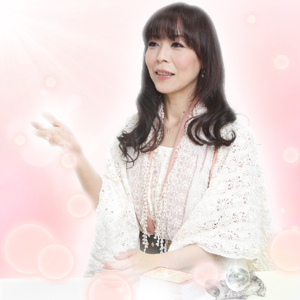
電話占いピュアリの咲耶ローズマリー先生
- 占術
- 未来視 / 過去視 / 未来予知 / 未来透視 / ソウルメイト / 思念伝達 / 想念伝達 / 縁結び / 縁切り / 祈祷 / 祈願 / ヒーリング / レイキヒーリング / 遠隔ヒーリング / インナーチャイルド / 波動修正 / エネルギー調整 / チャクラ / タロット / 霊感タロット / リーディング / スピリチュアルリーディング / カラー診断 / 夢診断鑑定 / ペットの気持ち / 姓名判断 / 占星術 / 家相 / エネルギー視 / オリジナル総合占術
- 得意な相談内容
- 恋愛成就 / 出会い / 片思い / 相手の気持ち / 相性 / 縁結び / 男心 / 女心 / 複雑な恋愛 / 三角関係 / 略奪愛 / 浮気 / 不倫 / 復活愛 / 復縁 / 結婚 / 離婚 / 人間関係 / 職場の人間関係 / 対人関係 / 仕事運 / 適職 / 転職 / 進路 / 就職 / 経営相談 / 人事 / 開業 / 廃業 / 夢 / 目標 / ビジネスチャンス / ビジネスパートナー / パワーハラスメント / セクシャルハラスメント / 家族関係 / 夫婦関係 / 家庭問題 / 夫婦問題 / 親族問題 / 育児 / 子育て / シングルマザー / ドメスティクバイオレンス / 相続問題 / 美容 / 精神問題 / 心の問題 / うつ / トラウマ / ストレス / いじめ / 人生相談 / 健康運 / 金運 / 金銭トラブル / 夢診断 / 引っ越し / 開運指導 / ペットの気持ち / ペットへのヒーリング / パワーストーン選択
別れた後で「やっぱり自分にはあの人しかいない」と思い、復縁を希望している人も多いでしょう。
お付き合いをしているときにはわからなかった相手のやさしさなどに気が付いて、今さら公開が出てくることもあります。
ピュアリで人気の咲耶ローズマリー先生は、そんなあなたの心に秘めた思いを形にできるようにアドバイスをしてくれます。
先生に相談することがおすすめの理由としては、物腰の柔らかい話し方であなたの不安を包み込んでくれるような温かさを感じられることからです。
電話口から、先生のやさしさを感じ取ることができるでしょう。
「相談してよかった」と思えるような的確なアドバイスと心の不安を解消できる答えを導き出してくれます。
\ 初回最大8000円無料鑑定のピュアリ /
電話占いカリスの叉紗(さしゃ)先生
- 占術
- チャネリング / オーラ透視 / 遠隔交信 / 霊獣交信 / 前世 / 守護霊対話 / 故人対話 / 縁結び / 悪縁断ち / 波動修正 / カルマ浄化 / ヒーリング / 浄霊 / 祈願 / 想念伝達 / 想念書換 / 引き寄せ
- 得意な相談内容
- 復縁 / 複雑愛 / 同性愛 / 恋愛成就 / ツインソウル / 現状の打開 / 夫婦関係 / 対人関係 / 仕事 / 起業 / 経営 / 魅力引き出し / ペットの気持ち / トラウマ除去 / 悪縁除け / 霊障 / 開運 / 願望成就 / 能力開花
当サイトエクラモでピックアップしている復縁で悩んでいてたら鑑定をおすすめしているカリスの叉紗(さしゃ)先生。
カリス内でも「復活愛」「復縁」の特集で組まれるほどの復縁特化の占い師なんですよね。
絶対に復縁不可能と言われる状況でも復縁を成功させてきた実績が多くあります。
もちろん全ての状況をプラスに持っていくことは難しいかもしれませんが、マイナスの状況をプラスマイナスゼロの状況まで持っていけることでしょう。
生年月日不要で鑑定が可能です。
また、復縁などの縁結びだけでなく反対の縁切りも得意な占い師ですので、「二度と顔も見たくない!」といった方におすすめですよ!
\ 初回最大2600円分無料のカリス /
電話占いリノアの花coco先生

- 占術
- 霊感 / 霊視 / 透視 / 過去視 / 遠隔透視 / 未来予知 / 前世 / 来世 / 思念伝達 / 想念伝達 / 波動修正 / 遠隔ヒーリング / タロット / 除霊 / 霊障 / 浄霊 / オーラリーディング / スピリチュアルリーディング / ダウンジング / 四柱推命 / エネルギー調整 / チャクラ / チャネリング / インナーチャイルド / カラー診断 / 夢診断 / 水晶ダウジング / ストーンリーディング / オラクルカード / オーラ診断 / 浄霊 / ヒーリング / 霊感タロット / リーディング / ペンデュラムダウジング / オリジナル占術(マヤ歴占い)
- 得意な相談内容
- 恋愛成就 / 出会い / 片思い / 相手の気持ち / 相性 / 結婚 / 男心 / 女心 / 複雑な恋愛 / 三角関係 / 略奪愛 / 浮気 / 不倫 / 復活愛 / 復縁 / 離婚 / 人間関係 / 職場の人間関係 / 対人関係 / 適職 / 家族関係 / 育児 / 子育て / 精神問題 / 心の問題 / うつ / トラウマ / 人生相談 / 霊的問題
リノアの花coco先生の特徴は見た目通りの、優しさ溢れる対応と話しやすいのがポイントです。
オリジナル占術やタロットに四柱推命などを用いての鑑定であり、恋愛成就に始まり相手の気持ちを知ることや、三角関係に離婚や人間関係、家族関係に子育てや人生相談など、幅広く相談に応じることができます。
相談をする人の生年月日から開始であり、お悩みの奥にある本質を探しながらの鑑定です。
質問者の心の奥になるお悩みのもとは何かを探りながら、能力と直感を駆使して的確な回答とアドバイスをくれます。
不安があるからこその相談ですから、その気持ちを無くせるように、幸せな気持ちになれるように導く占いです。
迅速に悩みの根源を見通して、必要なアドバイスを受けることができます。
\ 初回最大10分無料のリノア /
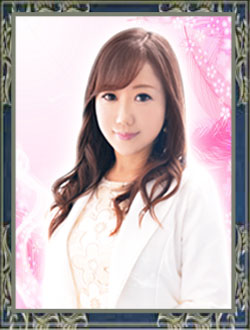
電話占いウィルの天河りんご(あまかわりんご)先生
- 占術
- 霊感 / 霊視 / 霊聴 / 透視 / 未来予知 / 前世 / 思念伝達 / 遠隔ヒーリング / 霊障浄化 / 霊感イーチンタロット / 縁結び / 祈願 / 祈祷 / 算命学 / 波動修正 / 宿曜占星術 / 易 / ルーン / 心理学 / 心理カウンセリング/コーチング / サイキックリーディング / スピリチュアルリーディング
- 得意な相談内容
- 恋愛 / 複雑な恋愛 / 不倫 / 浮気 / 復縁 / 結婚 / 別れ / 離婚 / 片思い / 縁結び / 相性 / 宿命 / 人間関係 / 家族関係 / 夫婦問題 / 親子問題 / 引っ越し / 心のバランス調整 / 仕事 / 経営相談 / 開業 / 廃業 / 就職 / 転職 / 適職 / 進路 / 夢 / 目標 / ビジネスチャンス / 金運 / 愛の問題 / 魂の本質 / 前世 / 来世 / ペット関係 / 開運指導
電話占いのウィルに在籍して活躍されているのが天河りんご先生です。
特徴は、最高水準の霊感と霊視鑑定を行ってくれることで、マルチ鑑定を操ることで運命を探ってくれます。
鑑定歴はとても長く23年もあり、多くの人の相談を受けてきた実績も確かな先生です。
使用占術には霊感や霊視を始め、透視や未来予知、思念伝達や遠隔ヒーリング、心理カウンセリングやスピリチュアルリーディングなどを使用します。
恋愛関係の相談や結婚や相性、金運や前世や来世などの相談を得意としています。
幼いころから高い霊力を持っていたことから、その能力を活かしてきた先生です。
悩みを抱えている人に霊力を使用して精いっぱい悩み解決に尽力してくれるでしょう。
\ 初回最大6000円分無料のウィル /
電話占いヴェルニの乃々空(ののあ)先生

- 占術
- 透視 / 霊感霊視 / 魂アクセス / 連絡引き寄せ / 遠隔ヒーリング / チャネリング / 波動修正
- 得意な相談内容
- 相性 / 結婚 / 離婚 / 復活愛 / 略奪愛 / 不倫 / 年の差 / 遠距離 / 同性愛 / 三角関係 / 対人関係 / 家庭問題 / 子育て
ヴェルニで「復縁」について相談をするのなら、乃々空先生がおすすめです。
人気の電話占い師の先生の一人である、復縁に関しての占いに関しても経験が豊富で頼りになります。
相手に対して、どのようなアプローチをするべきなのかと共に、待っている間にあなたがしておくべきことについてもアドバイスをしてくれます。
透視や霊感霊視、魂アクセスまで幅広い鑑定術をお持ちの先生ですので、貴方が本来持っている内なるパワーも引き出してくれるでしょう。
先生に相談した後は、「必ず良い結果になる」と利用者の間でも話題になっています。
ヴェルニの乃々空先生の判定を信じることで、相手ともう一度、あのころのような素敵な恋をしてみることができるかもしれませんよ!
\ 初回最大4000円無料のヴェルニ /
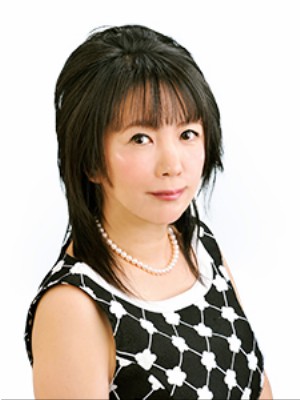
電話占い絆のこころ先生
- 占術
- チャネリング / 霊感 / 霊視 / 遠隔ヒーリング / レイキ / アカシックレコード / 自動書記 / 氣功 / 浄化
- 得意な相談内容
- 恋愛全般 / 不倫 / 復縁 / 人間関係 / 仕事 / お相手の気持ち / 家庭問題 / 子育て
絆のこころ占い師の特徴はチャネリングや霊感、霊視に遠隔ヒーリングなどスピリチュアルな占術を使い、よりを戻すための復縁や不倫といった恋愛全般に仕事、人間関係、家庭問題へのアドバイスを得意にしています。
特に相手や相談者の気持ちを見抜くことには長けており、まだ伝えていないのに自分の環境や気持ちを言い当てられたというケースが後を絶たないです。
そのため問題をしっかり把握できており、有益なアドバイスをしてくれるだけでなく、相談者の気持ちをきちんと耳を傾けてくれます。
鑑定は鋭いものの、それにかかる時間はスピーディーで、時間をとらせないです。
名前と年齢を告げれば、鑑定が開始され、望む状況に近づけるようにこころ占い師が相談者の気持ちを整理してくださいますよ!
\ 初回最大3000円分無料の電話占い絆 /
みんなの電話占いの倭女(やまと)先生
- 占術
- 霊感・霊視 / スピリチュアルヒーリング / ガイドメッセージ / スピリチュアルカウンセリング / スピリチュアル鑑定 / 夢占い / 波動修正 / エネルギー調整 / ソウルメイト / 透視 / 未来透視 / 守護霊交信 / ハートリーディング / ハイヤーセルフ / 未来予知 / 魂メッセージ / アニマルコミュニケーション / サードアイ / シンクロ / ツインレイ鑑定 / 過去視 / 前世鑑定 / サイキックリーディング / カルマ浄化 / 魂の直視 / 予知夢 / 千里眼 / アカシックレコード / 心眼 / エーテルコード / 来世 / 遠隔ヒーリング / オーラリーディング / チャクラリーディング / ストーンリーディング / チャクラ / エネルギールーン / パラレルリーディング / マントラ / タロット / 霊感タロット / インスピレーションタロットカード / フェアリータロット / トランプ / 易 / 五行易 / 九星気学 / 四柱推命 / 陰陽五行説 / 算命学 / 気学 / 十二支 / 十干 / 宿曜占星術 / 六星占術 / 学 / 西洋占星術 / 月占星術 / 誕生数占い / 星座占い / 占星術 / 動物占い / 風水 / 開運方位学 / 墓相占い / インナーチャイルド / ダウジング / 水晶ダウジング / 水晶占い / カラー占術 / マヤ暦
- 得意な相談内容
- 出会い / 相手の気持ち / 不倫 / 復縁 / 片思い / 三角関係 / 遠距離恋愛 / W不倫 / 男心 / 女心 / 連絡 / 同性愛 / 略奪愛 / SEX / 転職 / 仕事運 / 仕事上の人間関係 / 就職 / 適職 / パワーハラスメント / 人事 / 経営 / 移転 / 開業 / 廃業 / 夫婦 / 親子 / 育児 / シングルマザーの悩み / 姉妹 / 兄弟 / 介護 / 親族 / 相続 / 子供 / 開運 / ペットの気持ち / 夢診断 / 霊的問題 / 才能 / ダイエット / トラウマ / 引きこもり / 方位 / ファッション / メイク / 物件 / 引越し / 芸能 / 土地 / 名づけ / 家系 / いじめ / セクシャルハラスメント
過去に別れたパートナーとの復縁を望んでいるあなた。
心の中には「本当に戻りたいのか」「相手はどう思っているのか」「どうしたら復縁できるのか」など、明確な答えが見つからず、葛藤や不安があるかもしれません。
そんな時こそ、みんなの電話占い倭女(やまと)先生の占いを試していただきたいです。
倭女先生は、生まれながらの霊能力を活かし、「あなたの本質」「お相手の感情」「今後の可能性」を見抜くことが可能です。
それらを基に、あなたとあなたのパートナーに最適な行動指針を示し、復縁への道を探ります。
倭女先生の占いは、「一瞬の感情」ではなく「長期的な視点」をもとに鑑定します。
だからこそ、復縁したいという一時的な気持ちだけでなく、真にパートナーと再び結ばれるための最善の行動を指導してくれるんですよね。
また、相手の心情についても、倭女先生のエンパシー能力を使って感じ取ることができます。
これにより、相手があなたをどう思っているのか、再び一緒になる可能性があるのかを明らかにすることができます。
倭女先生の最大の特徴は、「貴方だけのオリジナル鑑定」を行うことです。
状況に応じて、生年月日を元にした鑑定や守護霊からのメッセージを組み合わせ、最適なアドバイスを提供します。
これにより、適切な行動をとる勇気を与えると同時に、あなたの心の重荷も軽減することができます。
また、倭女先生はあなたの人生の主役と認識し、あなたが理想とする未来を作り出せるよう全力でサポートします。
必要ならば、良くない結果も正直に伝え、あなたがその結果を回避し、良い方向へ進むことができるように助けます。
倭女先生のもとで占いを受けることは、あなたの人生にとっての「1つの物差し」となるでしょう。
そこには、今の悩みだけでなく、未来の選択肢に対する明確なガイダンスが含まれています。
あなたの「今」も「未来」も、「見た目」も「心」もすべてを輝かせるために、倭女先生はいつでも寄り添ってくれます。
心の迷い、復縁の不安があるあなた、先生とともに一緒に最善の未来を作ってみてはいかがでしょうか。
\ 初回50%OFF無料のみんなの電話占い /
電話占いウラナの三波ママ(みなみまま)先生
- 占術
- 霊感タロット / 西洋占星術 / ジプシーカード / 易 / 心理カウンセリング
- 得意な相談内容
- 不倫 / 縁結び / 同性愛 / 対人関係 / 復縁 / 結婚 / 離婚 / 年の差 / 遠距離 / 三角関係 / 家庭問題 / 転職 / 就職 / 仕事 / 運勢
自分の感情が一時的なものなのか、本当に再びパートナーと結びつきたいのか混乱していてどう行動すれば関係を良くするのか、悩んでいるあなたにおすすめなのが三波ママ先生です。
10年以上の占い経験を持つ三波ママ先生は、霊感タロットや西洋占星術、易、心理カウンセリングを組み合わせて、あなたの混乱した心に寄り添ってくれます。
それはまるで"占いの神様"からのメッセージを通訳するように、あなたが今どのような状況にいて、どう進むべきかを明らかにしてくれるんですよね。
彼女の得意な相談事は多岐にわたり、復縁だけでなく、対人関係や家庭問題、転職や就職など、生活全般における複雑な問題を解決する手助けをします。
そして、良い結果が出たときは慢心せず、逆に望まない結果が出たときは避ける方法を見つけるようアドバイスします。
その結果、あなたは未来に対する明確な視点を持つことができ、行動に対する自信と勇気を得ることができます。
また、大学で学んだ心理カウンセリングを用いて、あなたの心の中にある深い痛みや苦しみ、不安を解きほぐし、あなたが前向きな気持ちになれるようにします。
これにより、自分一人では解決できなかった問題にも新たな視点を提供し、幸せな未来への道を示してくれるでしょう。
三波ママ先生の鑑定を受けることで、あなた自身の感情、元パートナーの思い、そして未来への行動方針を明確に理解することができます。
そして、その理解を元に行動することで、復縁の可能性を高め、新たな未来を開くことができるでしょう。
きっとあなたが抱える悩みに対する新たな解答と、明るい未来への道筋を見つけることができるはずですよ。
\ 初回10分無料のウラナ /
電話占いシエロの美裸乃(みらの)先生

- 占術
- スピリチュアル / 易 / スピリチュアルリーディング / タロット / 癒しの鑑定
- 得意な相談内容
- 結婚 / ワケありな関係 / 復縁 / 相性 / 家庭 / 運勢 / 未来 / 過去 / 心理 / 人生 / 健康 / ペットの気持ち / 出会い
自分の感情が一時的なものなのか本当の想いなのか、元パートナーがどう思っているのか、そしてどのように行動すれば未来を好転させることができるのか…。
そんな混乱と悩みを抱えているあなたに、美裸乃先生の鑑定が力となるでしょう。
美裸乃先生は、霊視、易、スピリチュアルリーディング、八百万神からの神託、霊感タロットといった多彩な占術を駆使します。
それらを組み合わせることで、見えない状況を解明し、あなたの内面から可能性を引き出すスピリチュアルなメッセージを送ります。
あなたが自分の感情について混乱している場合、美裸乃先生は霊感タロットを用いてあなたの心の中を読み解き、一時的な感情と本当の想いを見分ける手助けをします。
これにより、あなた自身が自分の感情を理解し、自己確認することができるようになるんですよね。
元パートナーの感情について不安なあなたに対しては、美裸乃先生は霊視を通じて元パートナーの現在の感情や思考を読み取ります。
これにより、元パートナーがあなたに対してどう思っているのか、再び関係を築きたいと思っているのか、その可能性があるのかが明らかになります。
そして、どのように行動すれば良いのか悩んでいるあなたに対して、美裸乃先生は易とスピリチュアルリーディングを用いて未来の可能性を探り、行動の指南を提供します。
これにより、あなたの行動が復縁の可能性を高めるのか、それとも関係をさらに悪化させるのかが明らかになり、自信を持って行動を起こすことができます。
また、美裸乃先生は半生を迷える方々のお悩みと向き合ってきた経験と実績を持つ人気鑑定師です。
恋愛や結婚、不倫、相性、家庭など、あなたが抱えるさまざまな問題に対する鑑定が可能です。
復縁することへのあなたの混乱と悩みをやわらげ、希望の光を見つけるためのお手伝いをすることでしょう。
あなたが進むべき道筋を明確にし、あなた自身が前に進む力となる、それが美裸乃先生の鑑定です。
\ 7回まで初指名10分無料のシエロ /
SATORI電話占いの天女(あまね)の先生
- 占術
- 霊感・霊視 / 数秘術 / 波動修正 / オラクルカード / ダウジング / 透視 / チャネリング / 霊聴 / オーラ / ヒーリング / 守護霊対話 / 祈願・祈祷 / 思念伝達 / 自動書記 / ブロック解除 / チャネリングカード / 姓名判断 / 風水 / 白魔術(縁結び・引き寄せの法則)
- 得意な相談内容
- 恋愛全般 / 相性 / 片思い / 復縁 / 復活愛 / 略奪愛 / 複雑愛 / 同性愛 / 出会い / 縁結び・縁切り / 相手の浮気 / 婚期 / 結婚 / 運命の相手 / 不倫 / W不倫 / 離婚 / 名付け / ペットの気持ち / 子育て / 人間関係 / 相手の気持ち / DV / 仕事全般 / 就職・適職・天職 / 転職・独立 / 職場の人間関係 / 事業・経営相談 / 全体運 / 時期 / 前世 / 金運 / 吉方位 / 未来予知 / 宿命 / 霊障 / トラウマ / 人生 / パワースポット
satori電話占いの占い師天女先生は鑑定歴が3?5年、主な占術は霊感や霊視、波動修正やブロック解除です。
占いのスタイルは、霊感や霊視のような見えない世界と心理学や統計学のような見える世界とを融合させたものとなっています。
対面鑑定に定評があり、占いの結果については思いやりをもって優しく伝えてくれ、鑑定は手際よく多角的な分析・アプローチが特徴です。
相談できる内容は、主に恋愛成就や縁結び、同性愛や結婚などの他に不倫や浮気といった難しい人間関係まで多岐にわたります。
さまざまな運勢や前世について、さらには未来予知やトラウマなどに関しても本人が気づかなかった扉を開けてくれるような道しるべを示してくれますよ。
\ いつでも退会(解約)OK!解約料・月額料金なし /
電話占いココナラのひろすえ先生
- 占術
- 霊感 / チャネリング / 透視リーディング
- 得意な相談内容
- 恋愛 / 片思い / 二股恋愛 / 復活 / 愛 / 奪略愛 / 結婚 / 離婚 / 親子 / 家族 / 夫婦 / 動物 / (ペットの気持ち) / 仕事 / 経営 / 適職 / 進路 / 人間関 / 係 / 介護 / 金銭 / 開運 / 引越 / 前世リーディング
電話占いココナラで恋愛相談を得意とされていて2019年10月現在2360件の鑑定件数で5.0の評価を得ているひろすえ先生。
男性占い師ならではの頼りになる鑑定にリピーターの多い占い師なんですよね。
恋愛特有の悩みが得意ですが、特に復活愛や三角関係などの複雑な恋愛の解決に支持を得ています。
チャネリングと透視リーディングで原因究明と問題解決に的確に答えを導きだしてくれます。
また、縁結びやヒーリングを無料でしてくださるのも人気の秘密です。
大手電話占いではなく、知る人ぞ知る占い師に鑑定してもらいたい方や、恋愛のスペシャリストに鑑定してもらいたい方にオススメの先生ですよ!
\ 初回3000円分無料のココナラ /
電話占いマヒナの月湖(つきこ)先生

- 占術
- チャネリング / スピリチュアル / エネルギーワーク / オーラリーディング / ルノルマンカード / スピリチュアルリーディング / オラクルカード / エンジェルカード / パワーストーン
- 得意な相談内容
- 恋愛 / 仕事 / お金 / 人間関係 / 精神 / その他 / 相性 / 相手の気持ち / 縁結び / 浮気 / 復縁 / 略奪愛 / 結婚 / 不倫 / 離婚 / 縁切り / 出会い / LGBT / 同性愛 / 三角関係 / DV / ペットの気持ち / 家族問題 / 転居 / 子育て / 健康 / 夫婦問題 / 近所問題 / 進路 / 適正 / 仕事運 / 転職 / 起業 / 職場問題 / 金運 / 経営 / パワハラ / セクハラ / 人生全般 / 使命 / 方向性 / 開運方法 / 運勢 / 浄化 / トラウマ / 美容
\ 初回最大3000円分無料のマヒナ /
電話占いクォーレの鮎河リリサ(あゆかわりりさ)先生

- 占術
- タロット占い / 宿曜占星術 / 四柱推命 / 奇門遁甲 / 風水 / 手相占い / 数秘術 / 姓名判断 / 九星気学
- 得意な相談内容
- 不倫 / 金銭 / おまじない / 復活愛 / 恋愛 / 結婚 / 離婚 / 人間関係 / 仕事 / 適職 / 経営 / 将来 / 進路 / 育児 / 親子 / 家族 / トラウマ / 夫婦 / SEX / 時期 / 引越 / 開運法 / 人生相談 / 心のケア / 健康 / 略奪愛 / 同性愛 / 血液型 / カラー診断 / パワースポット / パワーストーン / 夢診断
Amazonアカウントの利用で電話占サービスの利用のしやすさや、コンプライアンスに厳しい企業からの占い師の派遣依頼あやメディアの出演が多いクォーレで復縁で人気の占い師が鮎河リリサ(あゆかわりりさ)先生です。
人柄の良さや親身になってくれるということで非常に人気の占い師なんですよね。
タロットや宿命占星術、四柱推命といった確かな技術がひつような占術に姓名判断や数秘術も織り交ぜ多角的に鑑定してもらえます。
得意な相談は恋愛ですが、特に復縁や「不倫関係で相手に奥さんがいるのは知ってる・・・でも彼と関係を続けたい!」といった不倫系の復縁に得意な占い師です。
10年以上在籍している人気占い師が多く所属しているクォーレで復縁を得意としている占い師として一度は鑑定を受けるべき占い師ですよ!
\ \ 初回15分500円で鑑定のクォーレ / /
LINEトーク占いの一色愛先生

- 占術
- 西洋占星術 / 霊視・オーラ / タロット
- 得意な相談内容
- 恋愛総合 / 片思い / 復縁 / 不倫
LINEトーク占いの復縁や不倫、恋愛総合でランキング上位にいらっしゃる一色愛占い師。
「当たりずぎる!」「占いの域を超越してる」と口コミが上がるほどの占い師で、その的中率の高さが評判になり雑誌で取り上げられほどなんですよね。
西洋占星術に霊視・オーラを併用し、タロットで相談者の運命や今遭遇している境遇を的確に見抜いてくれます。
またアナタ本人だけではなく、アナタが気になっている相手が”あなたのことをどう思っているのか?”までしっかりみてくださるんですよね。
そのため、的確なアドバイスだけでなく「具体的にどうしたらいいのか?」までが明確にイメージしやすい占い師です。
「ヨリを戻したいけど、相手はどう思ってるんだろう」、「奥さんと別れて私を選ぶって言ってるけど本当かな」、「不倫関係だったから自然消滅したけど、やっぱりやり直したい」といった方におすすめです。
また一色愛占い師はお昼の正午00:00~から深夜204:00までの固定された時間で鑑定可能時間になっていることが多いので、仕事終わりでの鑑定はもちろん、お昼に一人きりになりやすい主婦の方までと幅広く鑑定してもらえます。
安心感が圧倒的に違いますので、頼りになる占い師ですよ!
\ 初回最大10分無料のLINEトーク占い /
電話占いウラナの藍(あい)先生

- 占術
- 霊感・霊視 / 霊感タロット / 祈願・祈祷 / 西洋占星術 / タロット / 霊感
- 得意な相談内容
- 不倫 / 同性愛 / 復縁 / 結婚 / 離婚 / 年の差 / 略奪愛 / 遠距離 / 三角関係 / 家庭問題 / 転職 / 仕事 / 吉方位 / 未来
「好きな人とお付き合いをしたい」と考えている人は、ウラナの葵先生がおすすめです。
恋愛成就に関しては経験が豊富で、相手とあなたとの距離を縮めるためのアドバイスをしてくれます。
人気の理由は、貴方と相手との未来を霊視や霊感によって鑑定できることでしょう。
自分でも、想像がつかないような明るい未来に心が弾むかもしれません。
好きになった相手に例え、ライバルがいたとしてもウラナ先生にしてもらったアドバイスを信じて実行することで成就することができます。
恋愛を成就させるためには、タイミングも大切になるので告白をするべき日についても先生に尋ねてみるとよいでしょう。
周りがうらやむよな素敵なカップルになることも可能ですよ。
\ いつでも退会(解約)OK!解約料・月額料金なし /
【占い師をもっと検索】電話占いで復縁が当たる占い師一覧

電話占いが復縁にピッタリな理由とは?

復縁の相談をする手段は色々ありますが、その中でも電話占いが最強だとされています。
その理由は、行動のタイミングを逃さずに済むのでチャンスを物にできるからです。
自分だけでは知りえないような情報も、電話占いでは教えてもらうことができますので、より適切な行動を取れることも成功しやすい理由につながっています。
現状を打破するためにはより多くの情報が必要ですが、自分で集められる情報量には限界があります。
電話占いでは自分で収集できない範囲の情報まで集めることができ、相手の気持ちを知ることも可能です。
また、現在の相手の気持ちを知ることができる点もピッタリだと言われる理由です。
相手の気持ちが分からなければ、どのように行動したら良いのかも分かりません。
霊的なパワーを送って波動を整えてくれることも、成功率に関わっています。
電話占いで復縁を成功させるコツ!
実際に電話占いで復縁を成功させたいのなら、まずはコンタクトを取る前に聞きたいことをまとめることが大切です。
まとめておかないと聞き漏れが発生してしまい、無駄な費用が発生してしまうことにもつながります。
名前の他にも誕生日や出身地はよく聞かれる項目ですので、まとめておくことが大事です。
通常の恋愛よりも更に難しいのが復縁であり、状況によっては厳しい言葉を投げかけられることもあります。
ですから、強い心を持って臨まないと、精神的なダメージを受けて挫けてしまうかもしれません。
復縁を成功させるには、強い気持ちを持って電話占いを利用することが重要であり、正しい心構えを理解するのと同時にタイミングを計ることも忘れてはいけません。
相手の気持ちを考えることも大事ですので、様々な状況を見極めながら行動していく必要があります。
電話占いで復縁を相談するメリット・デメリット
電話で相談すればわざわざ足を運ぶ必要がありませんので、いつでも好きな時に利用できるのが最大のメリットです。
また、対面式ではありませんので顔を合わせる必要がなく、気軽に相談できます。
携帯電話があれば出先でもかけることができ、タイミング良く動けることもメリットとなっています。
復縁するにはタイミングも大事ですので、時間を選ばずに利用できるのは見逃せないポイントです。
他にも、利用した時間分だけお金を支払えば良いので、安上がりになることが多いようです。
デメリットは、人気のある占い師になるとなかなかつながらないことや、予約が取れないことが挙げられます。
口下手な人が電話で相談すると、伝えたいことを上手く伝えられずに終了してしまうことも多々あります。
電話占いで復縁に相性のいい占術とは?
復縁を占ってもらうのにお勧めの占術はタロットと霊感です。
タロットは霊感や霊視と同じようにスピリチュアルな側面が強く、統計では導き出せないような答えも出すことができます。
相談者の気持ちを的確に見抜いたり、相手の気持ちを読むこともできますので、復縁したい時に適した方法です。
タロットはその時々の状況に合わせてとても細かく占うことができ、霊的な力が強い占い師に行ってもらうと的中率もアップします。
霊視に関しては、占い師の霊能力によるところが大きいのですが、評判になっているような先生に相談すれば、かなり的確な答えが返ってくるはずです。
人の気持ちは刻々と変わるものですが、その時々の状況だけでなく、未来を予想することもでき、現在起こっている問題点も把握できます。
電話占いで復縁に当たる先生を見つける方法
せっかく電話占いを利用するのなら、やはり当たる先生を見つけたいところです。
プロフィールを見ても書いてある内容には大差ありませんので、まずはリピート率や口コミを見ることが大切です。
リピート率の高さは信頼性の高さの証であり、口コミを見れば得意分野が分かります。
これまでどれ位の人が相談したのか、復縁できたという報告は多数あがっているのかなどをチェックして、信頼できる先生かを判断してみてくださいね。
また、当たると言われる先生は、鑑定時間を引き延ばすようなことはしません。
ですから、的確なアドバイスをしてだらだらと続けることなく電話を切るかも重要なポイントであり、無駄な話が多い先生ほど当たりません。
霊視やタロットでは保留時間がありますが、これが長すぎるのもNGです。